When planning a digital campaign, marketing teams frequently debate whether to send paid traffic to the main company website or to construct a dedicated, standalone landing page. Both play critical roles in a brand’s digital footprint, but confusing their purposes is one of the most expensive mistakes a business can make in paid advertising.
Sending paid clicks from Google Ads or Meta campaigns directly to a generic homepage often cuts conversion rates in half. Conversely, relying solely on isolated landing pages without an authoritative main website makes organic search rankings and enterprise brand credibility virtually impossible.
This guide compares landing pages and websites, explains the structural mechanics of why each succeeds at its specific job, and provides a clear framework for choosing the right destination for your traffic.
What is the fundamental difference?
The difference between a landing page and a website is not technology or visual styling—it is intent and focus.
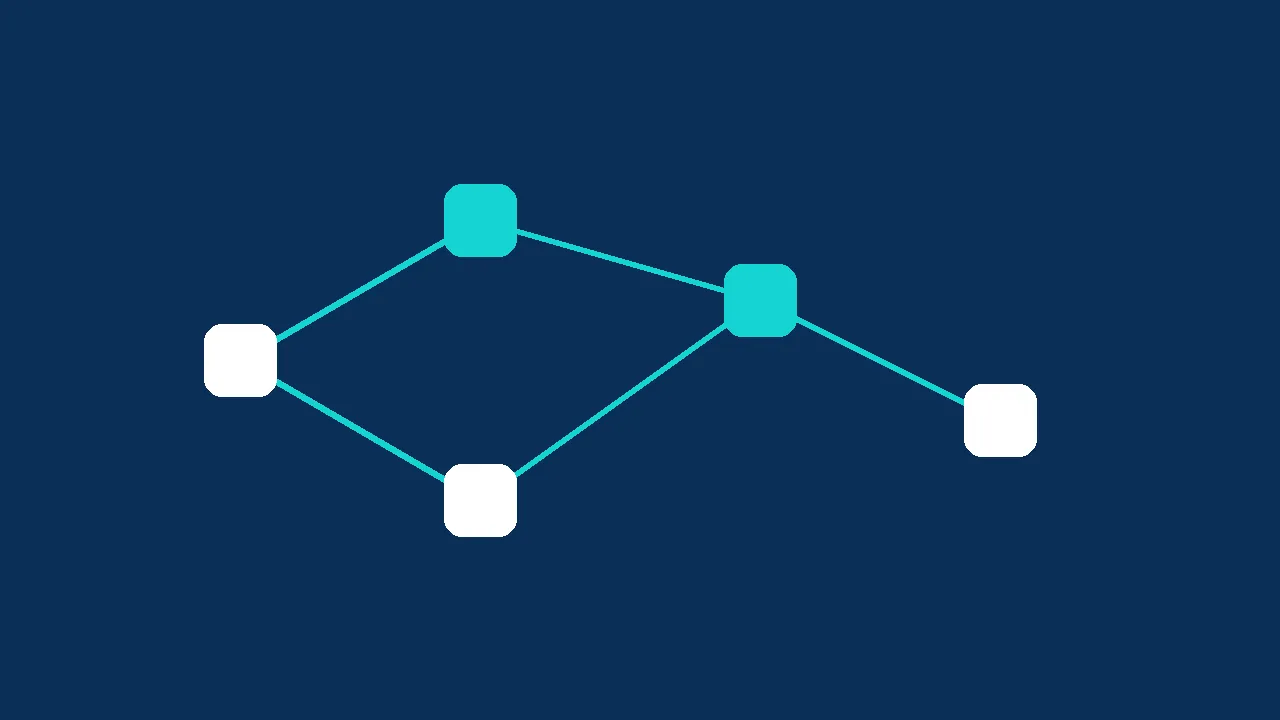
- A Website is your comprehensive digital headquarters. It houses your complete story, full service catalogue, team credentials, blog articles, careers, legal policies, and multiple navigation paths. It is designed for exploration, browsing, and multi-stage consideration.
- A Landing Page is a single-purpose conversion environment. It is engineered with one specific offer, one audience segment, and one single call to action. It deliberately strips away global navigation, footer links, and external distractions to channel 100% of the visitor’s attention into completing a specific task.
Feature and performance comparison
| Attribute | Full Website | Dedicated Landing Page |
|---|---|---|
| Primary Goal | Brand credibility, organic search, comprehensive information. | Direct lead generation or immediate product sale. |
| Navigation | Full header menu, dropdowns, utility links, footer directories. | Zero or minimal navigation to prevent exit leaks. |
| Traffic Source | Direct brand visits, organic search (SEO), referral traffic. | Google Ads (PPC), Meta Ads, email campaigns, sponsored media. |
| Calls to Action | Multiple (Contact, Learn More, Read Blog, Apply, Browse Services). | Single primary CTA (Request Quote, Download Guide, Book Call). |
| Conversion Rate | Typically 1% – 3% across diverse traffic. | Typically 5% – 15%+ on matched, high-intent traffic. |
| Message Match | Broad value proposition addressing multiple buyer personas. | Exact 1:1 match with the specific search query or ad headline. |
Why sending paid ads to your homepage drains budget
When someone clicks a targeted ad—such as “custom mobile app developers for healthcare”—they have a specific, urgent question in mind. If that click drops them onto a generic corporate homepage that leads with “We build digital excellence for global enterprises”, cognitive friction occurs immediately.
The visitor is forced to read through irrelevant navigation menus, hunt for the healthcare practice area, find whether you build iOS or Android apps, and locate a contact button. Every extra click, second of hesitation, or extraneous link gives that prospect an opportunity to abandon the page. In paid search advertising, you pay for every click whether they convert or leave after three seconds.
A dedicated landing page, by contrast, greets that visitor with an exact match:
- The headline restates the exact promise made in the ad.
- The imagery depicts healthcare app interfaces.
- The proof points highlight HIPAA compliance and clinic results.
- The form asks specifically about their healthcare app scope.
By eliminating navigation leaks and aligning copy perfectly with ad intent, businesses routinely see a 2x to 3x reduction in Cost Per Lead (CPL) simply by switching ad destinations from the homepage to a dedicated landing page.
When to use which
Always use a dedicated landing page when:
- Running Google Search campaigns: Every keyword ad group should route to a tightly matched landing page to maximize Google Quality Score and lower your Cost-Per-Click (CPC).
- Running Meta or LinkedIn paid social ads: Social users have shorter attention spans; an offer-specific landing page keeps them focused.
- Promoting a singular service promotion: Free audits, fixed-scope discovery packages, or seasonal offers.
- A/B testing conversion copy: Testing two different headlines, pricing models, or hero visuals against identical paid traffic.
Always use your main website when:
- Building long-term organic search authority: High search rankings require comprehensive topic clusters, interlinked service silos, and educational guides. See our SEO vs. paid advertising comparison.
- Enterprise procurement and vendor evaluation: High-ticket enterprise buyers will always inspect your About page, company history, leadership team, and case studies before signing high-value contracts.
- Attracting talent and partners: Career seekers, press, and potential partners require the full context of your organization.
How the best brands connect both
High-growth companies do not choose between a website and landing pages—they build an integrated digital ecosystem where both work in synergy. The authoritative website serves as the anchor for organic discovery, brand positioning, and deep research, while dedicated modular landing pages capture and convert high-cost traffic from paid media channels.
At Sovassa, we build websites with clean, modular components that allow our marketing and development teams to spin up high-converting, distraction-free landing page variants in days, ensuring your ad spend delivers measurable pipeline rather than wasted clicks. Talk to our team about aligning your website and paid acquisition strategy.